Inside the Longevity Retreat Trend: What It Is and Why Travelers Are Booking One
“Longevity” has become one of travel’s most searched wellness terms, but it’s easy to confuse with a standard spa vacation. It isn’t one. A longevity retreat is built around a specific idea: that certain lifestyle habits, tested against real research into long-lived populations, can be taught and practiced over the course of a trip. Increasingly, travelers are booking a wellness retreat in Costa Rica specifically because the country offers a living example of those habits, rather than a manufactured version of them.
What Exactly Is a Longevity Retreat?
At its core, a longevity retreat combines wellness programming, movement, nutrition, stress reduction, with an educational component rooted in longevity science. Where a spa trip focuses on relaxation for its own sake, a longevity retreat usually asks a bigger question: what habits from this trip can actually follow you home?
That distinction matters. Guests aren’t just unwinding, they’re often being walked through specific frameworks, such as the “Power 9” habits identified by longevity researcher Dan Buettner in his study of the world’s Blue Zones, regions including Costa Rica’s own Nicoya Peninsula where people live measurably longer, healthier lives. A retreat built around this framework tends to feel less like a spa menu and more like a short course in a different way of living.
Where the Trend Came From
Interest in longevity travel grew alongside two separate movements: the biohacking community’s focus on measurable health optimization, and the popularization of Blue Zone research through books, documentaries, and public health studies. Costa Rica sits at the intersection of both. It has the credibility of an actual, studied Blue Zone population, and enough tourism infrastructure to build a comfortable retreat experience around it, rather than requiring travelers to rough it in a remote village to experience the underlying lifestyle.
What a Typical Longevity Retreat Includes
Programming varies by provider, but most longevity-focused stays draw from a similar toolkit:
Read More: Unforgettable Experiences: Private, Affordable Vacations in Mykonos, Greece
- Movement built around daily activity rather than intense workouts, closer to how Blue Zone populations naturally stay active
- A whole-food, plant-forward approach to meals, without extreme restriction
- Stress-reduction practices like breathwork, meditation, or simply unstructured time outdoors
- Sleep-focused adjustments, from schedule to environment
- Community and connection, since strong social ties are one of the most consistent findings across longevity research
The Role of Community and Family
One detail that gets lost in the wellness marketing around longevity retreats is how much the research actually credits social connection, not diet or exercise, as one of the strongest predictors of a long life. Nicoya’s centenarians typically live surrounded by extended family and close community ties, seeing relatives regularly and maintaining a clear sense of belonging well into old age. That’s part of why longevity retreats increasingly welcome families and small groups rather than being built exclusively around solo wellness seekers. The lifestyle being studied was never an individual pursuit to begin with.
Private Retreats vs. Group Programs
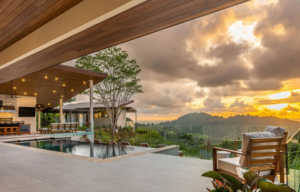
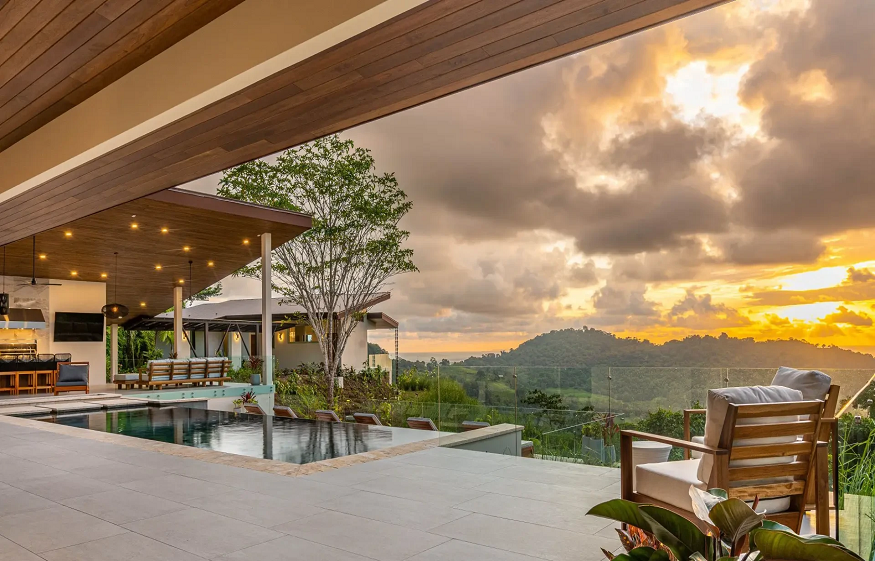
Longevity retreats are traditionally run as group programs at dedicated centers, but a private version of the model is gaining ground, particularly for families or small groups who want the framework without sharing the schedule with strangers. Booking a luxury villa in Costa Rica with private chef service and a flexible daily plan lets a group apply the same longevity principles, movement, real food, rest, connection, on their own terms, which for many travelers ends up being the more sustainable version of the experience.
What to Look for Before Booking
Not every property marketing itself around “longevity” backs it up. Before booking, it’s worth checking for a few basics:
- A program grounded in actual research, not just wellness buzzwords
- Meals designed around real, local ingredients rather than restrictive fads
- Flexibility to adjust the schedule to your group’s pace and needs
- A setting that supports the goal, meaning genuine access to nature and quiet, not just a pool and a menu
- Staff or guides who can speak knowledgeably about the actual research behind the programming, rather than repeating marketing language
Common Questions About Longevity Retreats
A few questions come up repeatedly from first-time travelers considering this kind of trip. Is it only for older travelers? Not really. Most longevity research focuses on habits that compound over a lifetime, which means younger travelers arguably benefit more from adopting them early, even if the marketing around longevity retreats sometimes skews toward an older audience.
Do you need to be extremely fit to participate? No. The underlying research favors consistent, low-intensity movement over intense exercise, which means the programming tends to be accessible to a fairly wide range of fitness levels, not just athletes.
Read More: I stopped trying to tick off attractions, and Srinagar finally made sense
Is it a medical program? Generally not, and it shouldn’t be treated as one. A longevity retreat is built around lifestyle habits with observational research behind them, not a clinical intervention, and travelers with specific health conditions should still consult their own doctor before making major changes to diet or activity levels.
Conclusion
A longevity retreat works best when it’s more than a themed vacation, when it actually teaches habits worth keeping. Costa Rica’s advantage is that those habits aren’t imported for the trip. They’re already part of daily life in places like the Nicoya Peninsula, which is exactly why a wellness retreat in Costa Rica keeps coming up as one of the more credible options in a crowded and increasingly trendy category.
For travelers deciding whether this kind of trip is worth the investment, the more useful test may not be whether it feels relaxing in the moment, most vacations manage that, but whether any of the habits it introduces are still in place a month after returning home. That’s the standard the research itself is built around, and it’s a reasonable one to hold a longevity retreat to as well.