Nagarkot Hiking Adventures: A Complete Guide to the Nagarkot to Changunarayan Hike, Chisapani Nagarkot Trek & Shivapuri Hike
Most people who land in Kathmandu are dreaming of the Himalayas, but not everyone has two or three weeks to spare for Everest Base Camp or the Annapurna Circuit. That’s the honest problem — big mountains, small holidays. The good news is you don’t need a month off work to get a real taste of Nepal’s hills. The Nagarkot to Changunarayan hike, the Chisapani Nagarkot trek, and the Shivapuri hike all sit within an hour or two of Thamel, yet somehow feel a world away from the traffic and dust of the city.
I’ve walked all three routes more than once, in different seasons, and each one has its own personality. Nagarkot to Changunarayan is a gentle downhill ramble past terraced fields and an ancient temple. Chisapani Nagarkot is a slightly longer multi-day option through Shivapuri National Park. And the Shivapuri hike itself is the easiest of the lot — a proper half-day nature escape that barely requires planning.
This guide walks through each hike, compares them side by side, and should help you figure out which one actually fits your schedule, your knees, and your travel style — rather than just telling you they’re all “amazing” and leaving you to guess.
Why These Three Hikes Are Among the Best Short Treks Near Kathmandu
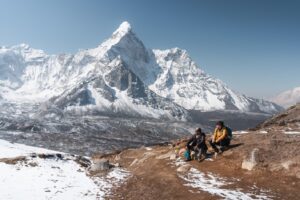
There’s a reason these routes keep showing up on every “best hikes near Kathmandu” list. They’re close — an hour or two by car from Thamel — and the trailheads are easy to reach without arranging complicated logistics. You get proper mountain views (Langtang and the Ganesh Himal on a clear day), thick forest cover, working farms, and centuries-old temples, sometimes all in the same afternoon.
Read More: Unforgettable Experiences: Private, Affordable Vacations in Mykonos, Greece
They also work brilliantly as a warm-up before a longer trek or as a wind-down after one. Tired legs from Annapurna? A gentle Shivapuri hike a few days later loosens things up nicely. First time in Nepal and not sure your knees can handle a big trek? Start with the Nagarkot to Changunarayan hike and see how you feel. Couples, solo travelers, families with older kids — there’s a version of Kathmandu Valley hiking here for nearly everyone.
Overview of the Nagarkot to Changunarayan Hike
Route Overview
This one typically starts in Nagarkot village (elevation roughly 2,175m) and finishes down at Changunarayan Temple, one of the oldest Hindu temple complexes in the valley. The walk covers about 10-15km depending on which trail variation you take, and most people finish in 5 to 7 hours, including breaks. It’s mostly downhill with a few short uphill stretches, so the difficulty sits comfortably in the easy-to-moderate range.
What Makes This Hike Special
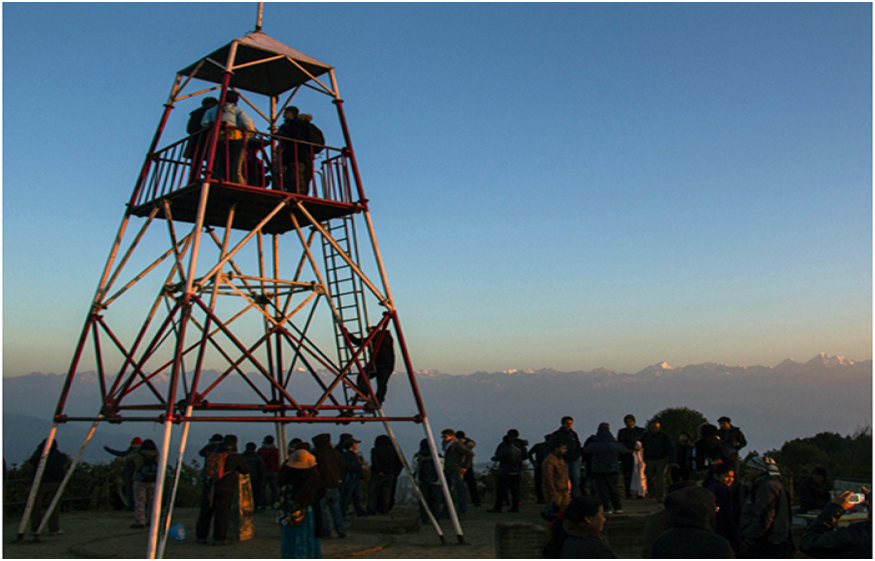
You start before the sun’s properly up, which means you catch that famous Nagarkot sunrise hike moment — the whole Himalayan range lighting up gold and pink while the valley below is still in shadow. From there, the trail winds through pine forest, past terraced farmland where locals are already out tending crops, and through a couple of small settlements where kids wave and dogs trot along beside you for a bit. The last stretch drops into Changunarayan, and honestly, walking into that ancient temple courtyard after hours in the forest hits differently than just driving up.
Best Time for the Nagarkot to Changunarayan Hike
Autumn (October-November) gives you the clearest mountain views, hands down — the air’s been washed clean by the monsoon. Spring (March-April) is gorgeous too, with rhododendrons blooming along the ridgelines, though haze can soften those distant peaks a bit. Winter mornings are cold at the start, but the visibility is often excellent once the sun’s up — just pack a proper jacket. Monsoon (June-August) turns the trail muddy and views get unreliable, so unless you don’t mind the risk, it’s worth avoiding.
Everything You Should Know About the Chisapani Nagarkot Trek
Trek Overview
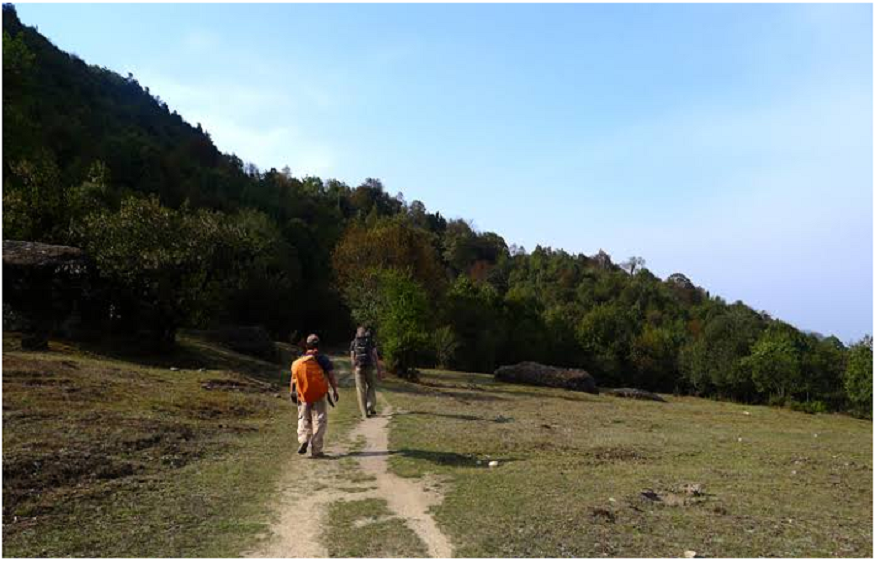
This is the one to pick if you’ve got two or three days and want a bit more immersion without committing to a full-blown trek. Most itineraries run about 25-30km total, spread across 3-4 hours of walking per day, starting from Sundarijal and ending in Nagarkot (or the reverse, depending on your operator).
Typical Chisapani Nagarkot Trek Itinerary
Day 1: Sundarijal to Chisapani — a steady climb through Shivapuri National Park, ending at a ridge village with your first proper mountain views.
Day 2: Chisapani to Nagarkot — longer walking day, passing through Tamang villages and forest, with the trail opening up to wider valley views as you approach Nagarkot.
Day 3: Sunrise at Nagarkot, then descent to Changunarayan or back to Kathmandu by road.
Highlights Along the Trail
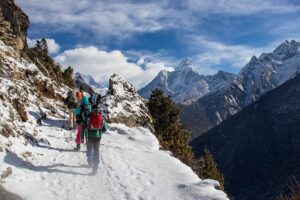
What sticks with me most about this trek isn’t any single viewpoint — it’s the rhythm of it. You walk out of Kathmandu’s edge into Shivapuri National Park’s cool, damp forest, where you’ll hear more birds than people for a good stretch. Somewhere around Chisapani, the trees thin out, and the Himalayas just appear, almost without warning. Then the trail drops you into Tamang villages, where prayer flags flutter over stone houses and someone’s usually got tea going on a wood stove. By the time you’re climbing that last ridge toward Nagarkot for sunrise, you’ve earned it.
Shivapuri Hike – Kathmandu’s Best Nature Escape
Route Overview
The Shivapuri hike usually starts at Sundarijal, climbing up through Shivapuri National Park to Shivapuri Peak at around 2,732m. It’s a solid half-day to full-day round trip, roughly 4-6 hours depending on your pace, and the elevation gain makes it moderate rather than easy — enough to get your heart working without needing any technical skill.
Why the Shivapuri Hike Is Worth Doing
This is genuinely the closest proper forest escape from Kathmandu. The air changes almost immediately once you’re inside the park gates — cooler, damper, full of that green smell you don’t get in the city. You’ll cross streams, pass a small monastery near the top, and if you’re quiet and a bit lucky, spot langurs or some of the 300-plus bird species recorded here. From the summit, the payoff is a wide panoramic sweep of the Kathmandu Valley on one side and Himalayan peaks on the other.
Who Should Choose the Shivapuri Hike?
It suits beginners who want a real workout without needing gear or a guide, and it’s popular with weekend travelers based in Kathmandu who just want out of the city for a day. Families with older, reasonably fit kids manage it fine, and it’s become something of a favorite among nature photographers — the light filtering through the forest canopy in the early morning is worth the climb on its own.
Comparing the Three Hiking Routes
| Feature | Nagarkot to Changunarayan Hike | Chisapani Nagarkot Trek | Shivapuri Hike |
| Duration | 1 day (5-7 hrs) | 3 days | Half-day to full day |
| Difficulty | Easy-moderate | Moderate | Moderate |
| Best For | First-timers, sunrise seekers | Multi-day nature + culture lovers | Fitness-focused day trippers |
| Mountain Views | Excellent | Excellent | Good |
| Forest Experience | Moderate | Extensive | Extensive |
| Village Culture | Strong (Newari heritage) | Strong (Tamang villages) | Minimal |
| Wildlife | Limited | Good (birdlife) | Very good (birdlife, langurs) |
| Family Friendly | Yes | Partially (fitness-dependent) | Yes (older kids) |
| Highest Elevation | ~2,175m | ~2,300m | ~2,732m |
| Ideal Season | Autumn, Spring | Autumn, Spring | Autumn, Spring, Winter |
Best Time to Experience These Kathmandu Valley Hikes
Spring
March to April brings rhododendron forests into full bloom, especially noticeable on the Chisapani and Shivapuri routes. Days are warm enough for shorts and a light shirt, though afternoons can get a bit hazy for photography.
Autumn
This is peak season for a reason. Skies are usually crystal clear right after the monsoon clears out, temperatures are comfortable, and this is when you’ll get the sharpest, most reliable mountain views on any of these three hikes.
Winter
Cold mornings, sometimes frost on higher sections, but clear air often means excellent long-distance views once the sun’s up. Just bring proper layers — it’s not brutal cold, but it’s enough to catch you off guard if you’re underdressed.
Monsoon
Honestly, this is the trickiest window. Trails get slippery, leeches show up in the forested sections, and clouds regularly block mountain views. Doable if you’re flexible and don’t mind getting a bit muddy, but not ideal for first-timers.
What You’ll See Along These Scenic Hiking Trails
Depending on the day and the weather, you might catch Langtang, Ganesh Himal, and even distant glimpses of Gaurishankar from the higher points. Below that, it’s terraced hillsides worked by hand, small farms growing seasonal vegetables, and rhododendron and pine forest that shifts color with the seasons. Prayer flags mark ridgelines and passes, ancient temples anchor the valley towns, and every so often you’ll round a bend and just stop walking for a second because the view demands it.
Fitness Level and Difficulty Explained
The Nagarkot to Changunarayan hike is the gentlest of the three — mostly downhill, manageable for beginners and older travelers who walk regularly. The Chisapani Nagarkot trek asks a bit more of you over multiple days, so moderate fitness helps, though the daily distances are short enough that most reasonably active people manage fine. The Shivapuri hike has the steepest single-day climb, so it suits people already comfortable with a few hours of continuous uphill walking. Kids around 10 and up generally do okay on all three with reasonable breaks; photography lovers should budget extra time everywhere, because you will want to stop constantly.
What to Pack for These Short Treks
Good hiking shoes matter more than anything else on this list — trail conditions vary from dusty to muddy without warning. Bring enough water, a light jacket for the wind at higher points, sunscreen, and a camera or phone with a decent battery, since you’ll be shooting a lot. A compact rain shell is smart even outside monsoon season, and trekking poles help if your knees complain on descents. Pack a few snacks and a power bank, and you’re set.
Permits, Entry Fees, and Local Guidelines
Shivapuri National Park requires an entry fee, payable at the gate, and it’s worth having exact change and your passport handy. Changunarayan, as a heritage area, also has a small entrance fee. TIMS cards aren’t typically required for these short hikes the way they are for longer treks, but it’s worth double-checking current requirements with a local operator before you go, since rules do shift. Basic respect goes a long way here — dress modestly near temples, ask before photographing people, and pack out what you bring in.
Local Culture, Villages, and Food Along the Trails
Around Changunarayan you’re walking through Newari heritage — carved wood windows, old brick courtyards, and temple complexes that have stood for centuries. Further along the Chisapani route, it’s Tamang communities, simpler stone houses, and tea houses serving dal bhat, noodle soup, or whatever’s fresh that season. People are generally warm without being pushy about it — a nod and a smile go a long way, and if you’re offered tea, it’s worth accepting.
Photography Tips for the Best Mountain Views
Get to your viewpoint before sunrise — the twenty minutes before and after first light are non-negotiable if you want that golden Himalayan glow. Forest shots work best with soft, filtered morning light rather than harsh midday sun. For village portraits, always ask first; most people say yes, and it makes for better photos anyway. Keep an eye on cloud buildup, especially in afternoon hours, since mountain views can vanish within thirty minutes.
Which Kathmandu Valley Hike Is Right for You?
Choose the Nagarkot to Changunarayan Hike if…
you’ve only got one day, you want a strong sunrise payoff, and you’d like to end at a genuinely historic temple rather than just driving back to the city.
Choose the Chisapani Nagarkot Trek if…
you have two to three days, you want deeper forest and village immersion, and you don’t mind carrying a small pack over consecutive days.
Choose the Shivapuri Hike if…
you want the best workout of the three, you’re drawn to wildlife and dense forest, and you can manage a solid uphill climb in a single day.
Why These Short Hikes Leave a Lasting Impression
What makes the Nagarkot to Changunarayan hike, the Chisapani Nagarkot trek, and the Shivapuri hike so worth doing isn’t just the mountain views, though those are obviously the headline. It’s the way each route folds together forest, farmland, temple, and village life into something you can actually finish in a day or a weekend. You come away having seen a slice of real Nepali life, not just a checklist of landmarks. If you’re in Kathmandu Valley and wondering what’s beyond the traffic and the tourist streets, any one of these hikes is a solid answer.
Frequently Asked Questions
1. How difficult is the Nagarkot to Changunarayan hike for beginners?
It’s one of the more forgiving options — mostly downhill over 10-15km, taking 5-7 hours. Reasonably fit beginners manage it without much trouble, though a few uphill sections will get your heart rate up.
2. How many days does the Chisapani Nagarkot trek usually take?
Most itineraries run 3 days, covering Sundarijal to Chisapani to Nagarkot with daily walks of 3-4 hours. Some operators offer a shortened 2-day version if you’re tight on time.
3. Is the Shivapuri hike suitable for families and children?
Yes, generally, though it’s best for kids around 10 and older who are used to walking. The steep sections and elevation gain can be tough for very young children, so pace and breaks matter.
4. What is the best season for hiking around Nagarkot and Shivapuri?
Autumn (October-November) offers the clearest views and most stable weather. Spring is a close second with blooming rhododendrons, while winter works if you pack warm layers. Monsoon is the least reliable due to mud and clouds.
5. Can I complete these hikes without a guide?
The Nagarkot to Changunarayan hike and Shivapuri hike are both doable independently since trails are well-marked and close to Kathmandu. The Chisapani Nagarkot trek can also be done solo with decent map skills, but a local guide adds real value for navigation, cultural context, and peace of mind, especially in monsoon or winter.